
La afectividad y el tratamiento de la ESI en las instituciones de nivel secundario con orientación artística
Perfiles, vinculaciones y trayectorias educativas
Palabras clave:
arte, escuela secundaria, educaci´ón sexual, afectación, territorioResumen
El presente trabajo se inscribe en el proyecto de investigación “La producción de discursos para la Educación Artística en el nivel secundario de la Provincia de Buenos Aires (2011-2021). Las escuelas Secundarias Orientadas en Arte en la ciudad de Tandil”. En esta comunicación procuraremos sistematizar las prácticas pedagógicas, artísticas y sociales desplegadas por los perfiles directivos de dos instituciones educativas de nivel secundario y en cómo inciden en las trayectorias futuras de los/las egresados/as.
Indagaremos en la Escuela Secundaria Orientada en Arte N° 2 orientación Artes Visuales y en la Escuela Secundaria de Enseñanza Artística Nº 1 (ESEA). Ambas instituciones corresponden a la jurisdicción bonaerense. Se analizarán las trayectorias de los directivos desplegadas en las políticas educativas hacia el territorio, describiendo una breve historización de las instituciones, realizando una comparativa entre ambos perfiles directivos, teniendo en cuenta la dimensión social plasmada en las vinculaciones o articulaciones establecidas con otras instituciones y organizaciones locales. Finalmente, interesa indagar en el tipo de experiencias propuestas y el perfil de ingresante y del egresado/a intentando arribar a conclusiones parciales que nos posibiliten conocer qué tipos de experiencias se ofrecieron desde las instituciones y si fueron o no motivadoras- constructoras de sentido, para que sus estudiantes determinen la elección de un camino en el arte o no para su futuro profesional.
DOMINIO ARK: https://id.caicyt.gov.ar/ark:/s30087562/dqpafk5pc
Citas
Delgado, Patricia Malena - Amud, Cinthia Denise. (2023). Administración de la educación
Un andamiaje teórico-metodológico para su estudio. Corrientes: Editorial de la Universidad Nacional del Nordeste EUDENE.
Kaplan, C. (2022). La afectividad en la escuela. Paidós Educación, Buenos Aires.
Morín, E. (1998). Articular los saberes. Textos escogidos. Ediciones Universidad del Salvador, Buenos Aires.
Rollano, M., Fallacara, L., Bargalló, M. L, Hurrell, S. (2021). Referentes Escolares de ESI educación primaria: propuestas para abordar los NAP. ISBN 978-950-00-1435-9.
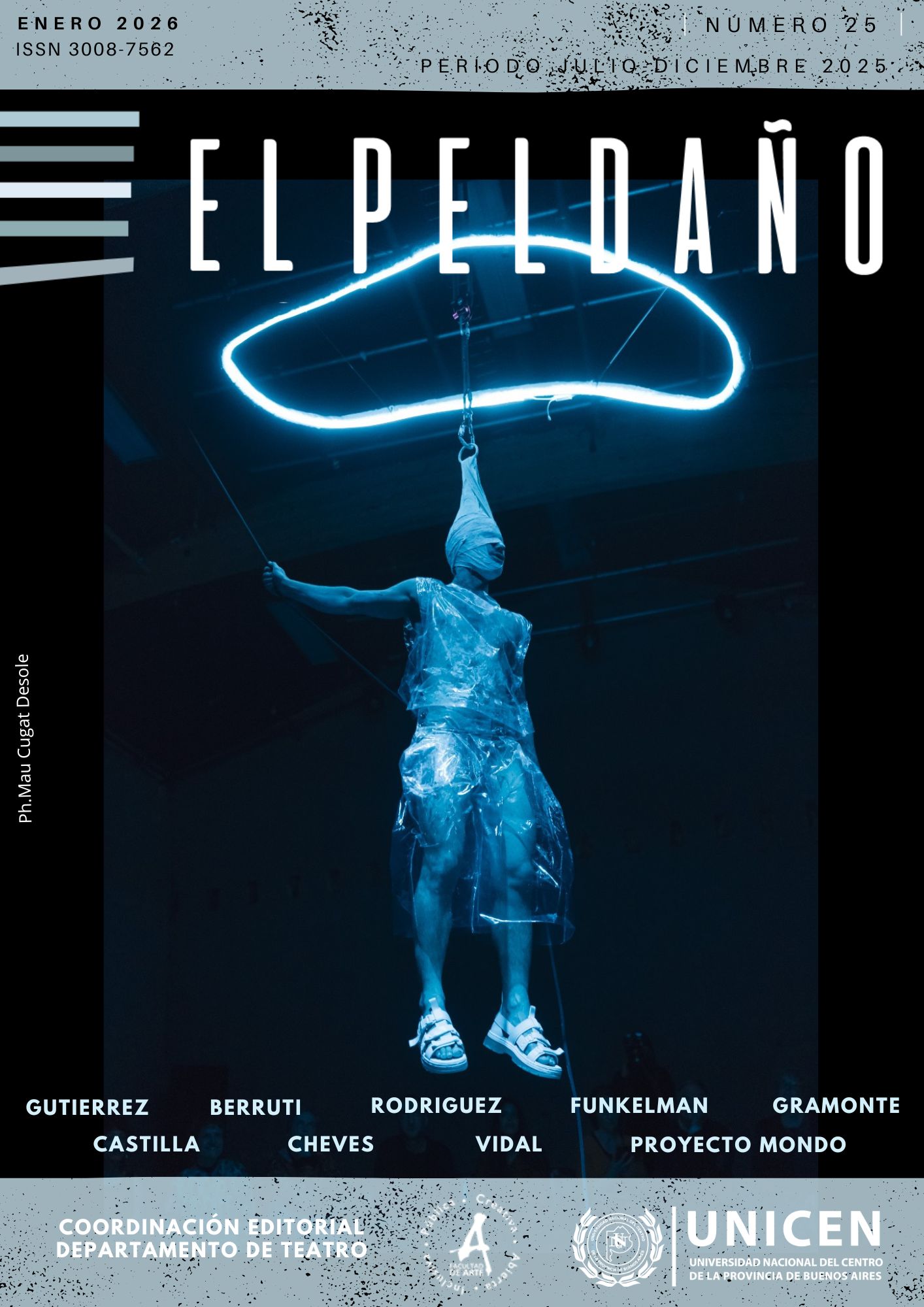
Publicado
Versiones
- 20-07-2026 (2)
- 16-12-2025 (1)
Cómo citar
Número
Sección
Licencia
Derechos de autor 2025 Rodriguez Victoria Berruti Florencia

Esta obra está bajo una licencia internacional Creative Commons Atribución-NoComercial-CompartirIgual 4.0.
El Equipo editorial de la revista conserva como política de autoarchivo la versión del artículo que ha sido corregido y publicado en la plataforma para su conservación o posterior uso en repositorios institucionales o hemerotecas virtuales con las que se vincule el espacio de publicación, entre otros.
Esta revista está bajo una licencia de Creative Commons Reconocimiento-NoComercial-CompartirIgual 4.0 Internacional .

- BY (Reconocimiento): Los usuarios deben dar crédito al autor o la fuente original.
- NC (No Comercial): Los usuarios no pueden utilizar la obra ni sus derivados para fines comerciales.
- SA (CompartirIgual): Si los usuarios modifican o adaptan la obra, deben distribuir sus contribuciones bajo la misma licencia CC BY-NC-SA o una compatible.